

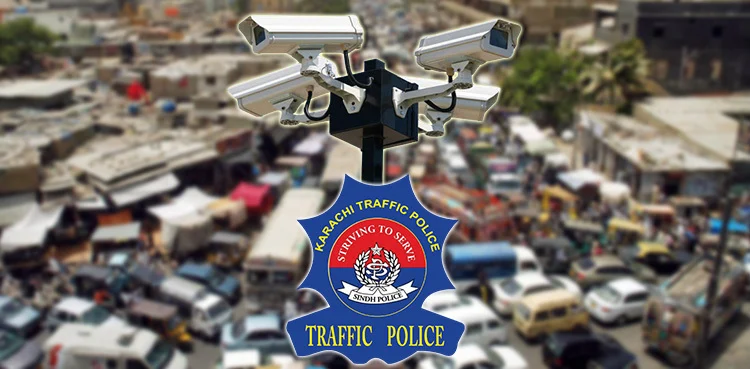
Overview of the E-Challan System in Pakistan
The E-Challan system in Pakistan represents a major step toward modernizing traffic management and promoting road safety across the country. Launched in major cities such as Lahore, Islamabad, Karachi, Peshawar, and Multan, the system uses advanced surveillance cameras, digital databases, and automated processes to identify traffic violations and generate fines without the need for manual intervention. This shift from traditional challan methods to a digital enforcement model has brought transparency, accuracy, and efficiency to traffic regulation. The purpose of the E-Challan system is not only to penalize rule-breakers but also to create disciplined driving habits and reduce accidents on the roads. As Pakistan’s traffic population continues to grow, cities increasingly require smarter, automated solutions to manage law enforcement, and the E-Challan system has proven to be a reliable approach.
The idea behind E-Challan is straightforward: violators are identified through cameras or electronic systems, and the fine is automatically registered in the traffic system and sent to the owner of the vehicle through SMS, online portals, or a printed notice. This approach eliminates bribery, human error, and time-consuming roadside interactions. With the introduction of online payment methods and mobile apps, the E-Challan system has made the process not only transparent but also convenient for the public.
How the E-Challan System Works in Pakistan
The E-Challan system operates through an integrated network of technologies that work together to detect violations, collect evidence, and issue fines. The system relies heavily on high-definition surveillance cameras placed at major intersections, highways, and busy traffic points. These cameras continuously monitor vehicle behavior and record violations such as speeding, red-light jumping, lane violations, and improper parking.
Once a violation is detected, the system uses Automatic Number Plate Recognition (ANPR) technology to read the license plate of the vehicle. This information is then matched with the Excise and Vehicle Registration databases to identify the registered owner of the vehicle. After verification, the digital challan is generated automatically and stored in the Safe City database.
The challan is then sent to the vehicle owner through SMS, online portals, or via a physical notice delivered to the registered home address. Citizens can check their challans online through official websites or traffic apps, where they can also view photographic or video evidence of the violation. This transparency builds trust in the system and reduces disputes since the evidence clearly shows when and where the violation occurred.
Camera-Based Traffic Monitoring
The backbone of the E-Challan system is the network of high-resolution CCTV and traffic cameras installed under various Safe City projects. These cameras operate 24/7 and cover major signals, intersections, sensitive areas, and traffic hotspots. Advanced sensors in the cameras detect violations in real time and capture clear images of the vehicle, license plate, date, time, and type of violation.
These cameras are capable of monitoring multiple lanes simultaneously and can detect overspeeding, signal violations, lane mismanagement, and even wrong-way driving. In many cities, additional cameras have also been installed on highways to catch long-route violations. Because the cameras provide time-stamped photographic proof, the challan becomes highly accurate and reliable.
Automated Violation Detection System
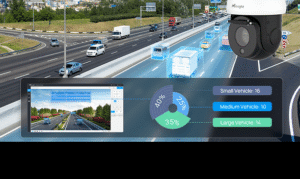
After a violation is recorded, software systems analyze the footage and confirm that a traffic rule has been broken. This is done without any human involvement, which reduces corruption and ensures fairness. The system detects violations such as:
- Red light jumping
- Overspeeding
- Driving without a helmet
- Using a mobile phone while driving
- Wrong parking
- Lane cutting or blocking pedestrian crossings
- Driving without a seatbelt
Once the system verifies the violation, it automatically assigns the relevant fine based on the traffic law. The automation reduces manual workload and allows the system to process thousands of violations per day with high accuracy.
Digital Fine Generation and Record Keeping
Once the violation is confirmed, the system generates a digital challan which includes all essential details:
- Vehicle registration number
- Type of violation
- Exact location and time
- Fine amount
- Camera image evidence
- Payment instructions
This challan is then stored in the central database. If a person has multiple unpaid challans, they are recorded and flagged in the system. Some cities even have policies where vehicles with repeated unpaid challans can be blacklisted, preventing their resale or transfer until the fines are cleared.
The database also helps law enforcement agencies track patterns of repeated violations and identify high-risk drivers. This data is crucial for future traffic planning and safety improvements.
Online Payment & Public Convenience
One of the biggest advantages of the E-Challan system is the ease of paying fines. Citizens no longer need to visit traffic police offices or stand in long lines. Instead, they can pay their challans through:
- Official traffic police websites
- Mobile apps
- Easypaisa, JazzCash, and banking apps
- ATM machines
- Designated bank branches
The system confirms payments instantly and updates the digital record. This helps eliminate delays and ensures that citizens can quickly clear their fines. Additionally, online payment options promote transparency and reduce cash handling, which further minimizes corruption.
Common Traffic Violations Captured by Cameras in Pakistan
With the advent of the E-Challan system in Pakistan, traffic cameras have become a vital tool in monitoring road safety and enforcing traffic laws. These cameras are installed at major intersections, highways, and urban traffic hotspots to automatically detect violations and issue fines. They not only reduce human error but also help maintain transparency and accountability in traffic enforcement. By capturing photographic and video evidence of rule-breaking, the system ensures that traffic laws are enforced fairly and consistently.
Traffic violations are one of the leading causes of road accidents in Pakistan, and implementing automated detection through cameras has proven highly effective. Cameras monitor multiple types of offenses, ranging from overspeeding to illegal parking, ensuring that motorists follow road regulations. This has significantly reduced corruption in issuing challans and improved the efficiency of law enforcement.
How Traffic Cameras Detect Violations
Traffic cameras rely on advanced technology to monitor vehicles and detect violations in real time. They are often integrated with Automatic Number Plate Recognition (ANPR) software, which identifies the vehicle registration and matches it with official databases. Cameras capture clear images and videos of the vehicle, license plate, date, time, and location of the violation.
The system works continuously, monitoring multiple lanes and intersections simultaneously. Once a violation is detected, the information is sent to a central database, where digital challans are generated automatically. Citizens can then view their violations online and pay fines through digital platforms.
Traffic cameras are equipped with high-resolution imaging, infrared night vision, and motion detection technology, allowing them to capture violations at any time of day and under varying weather conditions. This ensures accurate detection and reduces disputes between law enforcement and motorists.
Overspeeding Violations
One of the most common traffic violations captured by cameras in Pakistan is overspeeding. Speeding not only puts the driver at risk but also endangers other road users, including pedestrians. Cameras installed on highways, expressways, and busy city roads measure vehicle speed using radar or laser-based sensors.
When a vehicle exceeds the speed limit, the camera automatically records its speed, along with photographic evidence of the license plate. The digital challan includes the speed recorded, the location of the violation, and the corresponding fine. Overspeeding fines vary depending on the severity of the violation, with higher penalties for greater overspeeding.
Regular monitoring of overspeeding helps reduce accidents caused by reckless driving. Drivers are more cautious knowing that cameras are watching, which ultimately promotes safer roads.
Red Light Violations
Another significant violation monitored by traffic cameras is jumping red lights. Traffic lights are critical for controlling intersection safety, and ignoring them can lead to severe accidents. Cameras installed at traffic signals automatically detect vehicles crossing the stop line when the light is red.
The system captures a clear image of the vehicle, license plate, date, time, and the specific signal. Once detected, a digital challan is issued and sent to the registered owner of the vehicle. Red light enforcement has significantly improved adherence to traffic signals, reducing collisions and ensuring smoother traffic flow.
This type of automated detection also discourages bribery and manual manipulation, as the evidence is digitally stored and cannot be easily contested.
Helmet and Seatbelt Violations
Cameras also monitor safety gear violations, such as not wearing a helmet on motorcycles or failing to wear seatbelts in cars. These are critical for minimizing injuries in case of accidents. In many cities, Safe City cameras have been programmed to detect whether riders and passengers on motorcycles are wearing helmets.
Similarly, cars are monitored for seatbelt compliance. Violations are automatically captured, and challans are issued digitally. Enforcing helmet and seatbelt rules has been shown to reduce fatalities and serious injuries in traffic accidents, making these cameras a crucial tool for road safety.
Illegal Parking and Lane Violations
Traffic cameras also help manage urban congestion by detecting illegal parking and lane violations. Vehicles parked in no-parking zones or blocking intersections are automatically photographed and fined. Lane violations, such as cutting lanes improperly or blocking pedestrian crossings, are also recorded.
By penalizing such behavior, traffic cameras encourage disciplined driving and help maintain smooth traffic flow in crowded urban areas. Automated detection ensures that enforcement is consistent and fair, without favoritism or bias.
Final Notes
Traffic cameras in Pakistan have transformed the way traffic laws are enforced. From overspeeding to helmet violations, red-light jumps, illegal parking, and lane cutting, automated detection ensures fairness, transparency, and road safety. These cameras, integrated with the E-Challan system, help educate drivers about responsible driving while reducing accidents and improving traffic management across major cities.

